
As Asian Paints unveils ColourNext 2026, MD & CEO Amit Syngle shares how design forecasting is shaping consumer choices, why regional identity is influencing colour trends, and what brands must do to stay relevant in an increasingly diverse India.
For a company built around colour, forecasting trends is less about predicting the next popular shade and more about understanding the cultural, social and behavioural shifts that shape the way people live.
That philosophy underpins ColourNext, Asian Paints’ annual colour and design forecast. Now in its 22nd year, the initiative sits at the intersection of sociology, psychology, design and consumer behaviour, translating emerging societal shifts into palettes, materials, textures and finishes.
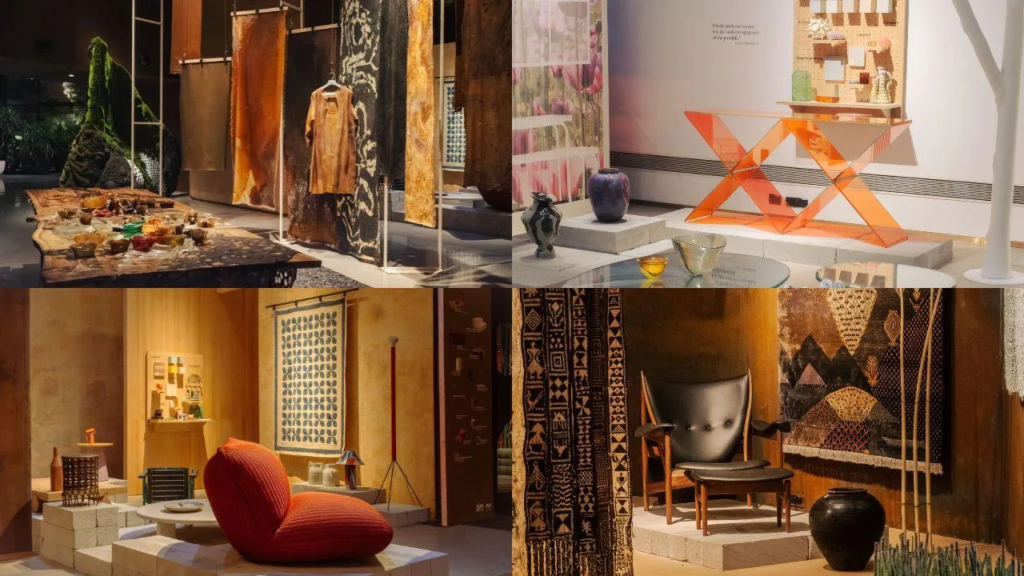
This year’s edition introduces four key trend directions: IRL, Pastoral, Solarpunk and Daydream. Each reflecting evolving consumer aspirations and lifestyles.
At a time when homes are increasingly viewed as extensions of personal identity, ColourNext offers a lens into the emotions, values and cultural influences shaping design choices.
Beyond Aesthetics: The Business of Trend Forecasting
The significance of these insights extends beyond design inspiration. India’s decorative paints market, estimated at over ₹70,000 crore, continues to be driven by housing, renovation and festive consumption, making consumer understanding a critical competitive advantage.
For Amit Syngle, MD & CEO of Asian Paints, the process begins long before colours are selected.
“It is an all-India research exercise conducted over eight to nine months. We study socio-cultural trends, lifestyle shifts and evolving décor preferences, and then examine how those changes translate into colour and material choices.”
The research incorporates perspectives from design institutions, colour experts, stylists, psychologists and extensive audits of India’s visual landscape, creating a framework that helps decode emerging consumer behaviour.
According to Syngle, ColourNext serves a broader purpose than identifying design trends. It helps consumers make sense of changing lifestyles while giving designers and homeowners a vocabulary to express those shifts.
The Rise of Regional Pride
If there is one cultural movement increasingly influencing consumer choices, it is the growing sense of regional identity.
Across India, consumers are actively seeking products, experiences and aesthetics that reflect their local culture, traditions and craftsmanship. Syngle believes this rise in regional pride is reshaping how brands approach design and communication.
“People today are increasingly region-proud. Over the past few years, we’ve seen regionalism emerge as a powerful force. Consumers want to see their culture, heritage and craftsmanship represented around them.”
The trend has influenced Asian Paints’ approach to both product development and packaging. The company has introduced region-specific colour collections inspired by local traditions across states including Tamil Nadu, West Bengal and Andhra Pradesh.
Packaging, too, has evolved to incorporate local craft and cultural references, reflecting a broader industry-wide shift towards deeper localisation.
Four Trends, Four Consumer Mindsets
The four ColourNext directions each capture a distinct consumer mindset.
Pastoral reflects a more evolved expression of luxury, combining muted tones, pastels and rich accents that evoke warmth and sophistication.
Solarpunk explores the intersection of sustainability, technology and nature, resonating with consumers who view conscious living as part of their identity.
IRL speaks to a generation seeking authentic human connection amid increasingly digital and algorithm-driven lifestyles.
Daydream offers a softer, more whimsical palette that appeals across demographics and interior styles, bringing optimism and imagination into living spaces.
Together, these themes reflect the growing diversity of consumer aspirations across India’s evolving design landscape.
Representation Requires Participation
As brands prepare for the festive season, the conversation around regional relevance becomes even more important.
Markets such as the North East continue to receive less visibility than larger advertising hubs, despite their distinct cultural identities and increasing economic significance.
For Syngle, meaningful representation goes beyond featuring regional faces in campaigns. It requires sustained engagement and participation.
“We adopt a combination of national and regional initiatives. While some campaigns are created at a national level, they are adapted thoughtfully to connect with audiences across Tamil Nadu, West Bengal, the North East and other regions.”
That approach includes regional packaging, local cultural programmes and collaborations with creators who communicate in regional languages.
The objective is not simply visibility, but familiarity built through continuous engagement.
Building Relevance Through Local Stories
The importance of local storytelling is visible across categories today. Consumers increasingly gravitate towards brands that understand their cultural context rather than merely acknowledge it.
Asian Paints has long positioned colour as a marker of identity and memory. The company’s recent ‘Rangon Ki Warranty’ campaign reflected this philosophy by showcasing homes across India whose colours remain constant even as generations, careers and life milestones evolve around them.
Children grow up, families expand, celebrations unfold and communities change, yet colour often remains a familiar thread connecting those experiences.
The same principle applies to large-scale properties such as cricket. While national platforms deliver scale, local adaptations create relevance. Regional language campaigns and culturally contextual storytelling help brands maintain stronger connections with consumers across markets.
Looking Ahead to the Festive Season
As India enters the second half of the year, Syngle remains cautiously optimistic about consumer sentiment.
“It should be a positive festive season. Festivals naturally bring a sense of celebration and optimism. Some of the broader uncertainties are also stabilising. We continue to monitor factors such as the monsoon, but overall the outlook appears encouraging.”
That optimism comes at a time when paint companies, like many consumer-facing businesses, are navigating a market shaped by both aspiration and value consciousness.
In an increasingly fragmented marketplace, consumers are looking for spaces that reflect who they are, where they come from and how they envision the future.
For brands, the challenge is no longer simply understanding what consumers want to buy. It is understanding the cultural currents that influence why they choose one brand over another.